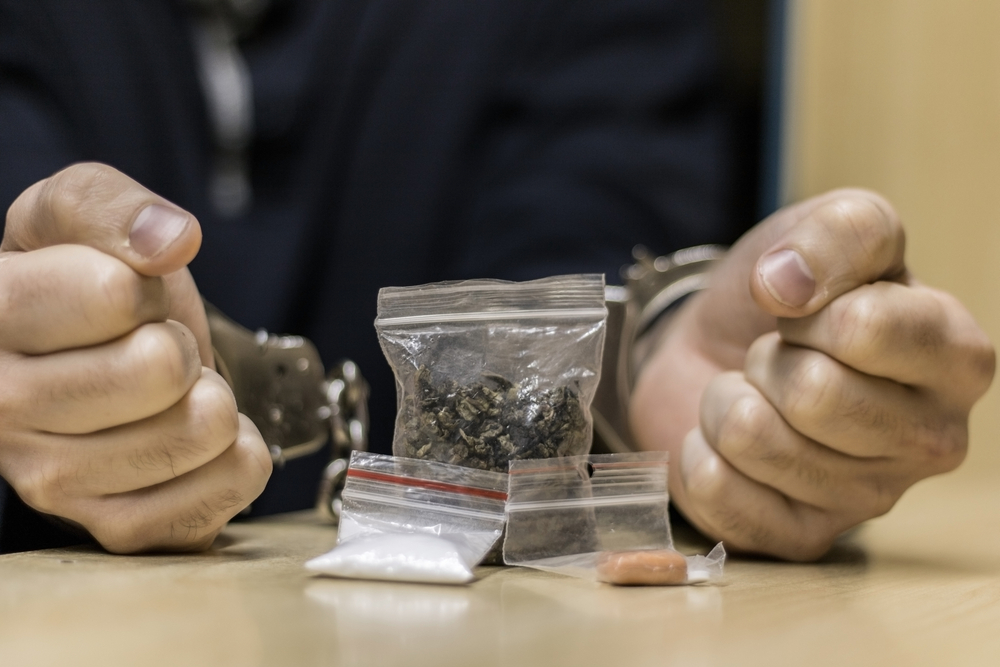
A drug charge in Colorado can still affect your record, freedom, and future, even though many simple possession cases now carry misdemeanor penalties. A Denver drug possession lawyer can help you understand what options are still available and protect you from making an early decision that closes them off.
Price Criminal Defense helps people facing possession charges protect their record and pursue a resolution that fits the facts of the case. Many of these cases involve addiction, and we approach them without judgment and with a focus on keeping your life intact.
If you’re ready to talk, call us at (720) 615-7106 or tell us what happened online for a free consultation.
Drug Possession Charges in Colorado
Colorado classifies controlled substances by schedule, but in a simple possession case, the amount involved often matters more than the schedule itself. The law also recognizes actual and constructive possession.
Actual possession means the substance was physically on you. Constructive possession means prosecutors claim you controlled drugs found somewhere else, such as a car or shared home.
In either case, the state must prove you knowingly possessed the substance. A Denver drug possession lawyer can challenge that element when the drugs were not yours or the evidence doesn’t clearly connect them to you.
Colorado Drug Possession Penalties
In 2019, Colorado passed HB19-1263, which reclassified most simple possession from a felony to a misdemeanor and redirected the system toward treatment. Under C.R.S. § 18-18-403.5, possessing four grams or less of most controlled substances is now a level 1 drug misdemeanor.
The charge rises to a level 4 drug felony only in specific circumstances. Here’s where the lines fall:
| Situation | Charge Level | Maximum Penalties |
| 4 grams or less of most controlled substances; and any quantity of most schedule III, IV, or V controlled substances | Level 1 drug misdemeanor (level 4 drug felony on a fourth offense) | Up to 180 days jail, up to $1,000 (up to 1 year prison, up to $100,000) |
| More than 4 grams of a Schedule I or II drug | Level 4 drug felony | 1 year prison, 1 year parole, up to $100,000 |
| Any amount of GHB, ketamine, flunitrazepam, or cathinones | Level 4 drug felony | 6–12 months prison, 1 year parole, up to $100,000 |
| More than 1 gram, up to 4 grams of a fentanyl-containing substance | Level 4 drug felony | Up to 2 years probation or generally up to 180 days jail (up to 364 on a third or subsequent offense), up to a $1,000 fine |
| Fourth or subsequent possession offense | Level 4 drug felony | 6–12 months prison, 1 year parole, up to $100,000 |
For most first-time cases, the realistic exposure is probation and conditions rather than jail. Even a level 4 drug felony allows a judge to grant probation instead of prison.
The record itself remains the larger concern, which is why the resolution you reach matters more than the initial charge level.
Colorado's Approach to Treatment Over Incarceration
Colorado gives some people facing drug possession charges a chance to avoid a conviction through treatment-focused alternatives. A drug possession lawyer in Denver can identify which programs are available and push for the option that best fits your case.
Deferred Judgment
Under C.R.S. § 18-1.3-102, you enter a plea, but the court does not enter a conviction while you complete the required conditions. If you successfully finish the program, the plea is withdrawn, and the case is dismissed.
Pretrial Diversion
Pretrial diversion can resolve a case before you enter a plea. You complete certain agreed-upon conditions, such as counseling or treatment, and the prosecutor can dismiss the charge after successful completion.
Drug Court
Drug court provides more structured supervision for people whose charges are tied to substance use. The program can include treatment, testing, and regular court review, with the possibility of a more favorable resolution after successful completion.
Conditional Dismissal
Some possession cases can end through a conditional dismissal. The prosecutor agrees to dismiss the charge after you complete specific requirements.
None of these options is automatic. A Denver drug possession lawyer can evaluate your eligibility early and help protect the alternatives that could keep a conviction off your record.
Constructive Possession: When You Didn't Have Drugs On You
Police frequently charge people with possession of drugs that were never on them. When officers find a substance in a car with several occupants or in a shared apartment, they often arrest everyone nearby and let the court sort it out later.
That approach sweeps in passengers, roommates, and borrowers of a vehicle who had no knowledge of the drugs at all.
Constructive possession requires the prosecution to prove two things: that you knew the drugs were there, and that you had the ability to control them. Mere proximity is not enough.
A Denver drug possession attorney can challenge whether the state can actually tie the substance to you rather than to someone else who had equal or better access to the space. In shared-vehicle and shared-residence cases, that gap in the evidence is often the strongest part of the defense.
Common Defenses to Drug Possession Charges
Common defenses to drug possession charges include unlawful searches, lack of knowledge, evidence-handling problems, and unreliable lab testing. A Denver drug possession lawyer can identify which issues apply and use them to challenge the prosecution’s case.
Common defenses include:
- Unlawful Search: If police searched or detained you without the required legal basis, your attorney can seek to suppress the evidence.
- Lack of Knowledge: The prosecution must prove you knowingly possessed the controlled substance. That can be difficult when drugs are found in a shared car, home, or other space.
- Chain of Custody Problems: Gaps in how evidence was collected, stored, or transferred can raise questions about whether the substance presented in court is reliable.
- Lab Testing Errors: Problems with testing or weighing the substance can undermine the charge, especially when weight affects the offense level.
Drug Charges and Driving: DUID in Colorado
A traffic stop can lead to both a drug possession charge and a driving under the influence of drugs (DUID) charge, creating separate criminal and license consequences. Colorado prosecutes DUID under the same DUI statute used for alcohol-related cases.
A Denver drug possession lawyer can examine the stop, challenge the evidence underlying both charges, and ensure one case is not handled in a way that harms the other.
Can a Drug Possession Charge Be Sealed in Colorado?
Many drug possession records can be sealed, which keeps them off the background checks that employers and landlords run. Colorado allows sealing for a broad range of drug offenses, and the state's reforms have made drug convictions among the most accessible to seal.
Drug misdemeanors and petty offenses generally become eligible after a waiting period that runs from the end of your case, and cases resolved through a dismissal, a deferred judgment, or diversion are frequently eligible sooner.
The exact waiting period depends on the offense, so it is worth asking specifically what applies to your record.
Drug Possession in Denver? Let’s Talk.
Most Denver drug possession cases move through Denver County Court, where the way the case is handled can affect whether treatment-focused alternatives remain available. Price Criminal Defense can assess the charge, explain your options, and advocate for an outcome that protects your record when possible.
If you’re facing a possession charge in Denver County, call (720) 615-7106 or connect with our team online.
FAQ for Drug Possession Charges in Denver
Is Drug Possession a Felony in Colorado?
Drug possession can be either a misdemeanor or a felony, depending on the substance, amount, and your record. Possession of four grams or less of many Schedule I or II substances is generally a level 1 drug misdemeanor, but different rules apply to fentanyl and certain other circumstances.
Can Treatment Help Get a Drug Possession Charge Dismissed?
Treatment can be part of a resolution that ends without a conviction when you qualify for diversion, a deferred judgment, or another alternative. A Denver drug possession lawyer can determine which options are available and advocate for your eligibility.
What if the Drugs Were Not Mine?
The prosecution must prove you knowingly possessed the drugs. When substances are found in a shared car, home, or other space, a lawyer can challenge whether the evidence actually connects them to you.
Do I Need a Denver Drug Possession Lawyer for a First-Time Charge?
A first-time charge can still affect your record and future opportunities. A lawyer can identify treatment-based alternatives and challenge problems with the search, possession evidence, or drug testing.
Will a Drug Possession Charge Affect My Job or Housing?
A drug charge or conviction can appear on background checks and affect employment or housing opportunities. Avoiding a conviction or pursuing record sealing when available can help limit those consequences.
Can a Drug Possession Conviction Be Sealed in Colorado?
Many drug convictions can qualify for sealing under Colorado law, but eligibility and timing depend on the offense and disposition. Cases ending in dismissal, diversion, or a completed deferred judgment can follow different sealing procedures.