Home > Blog > What Happens If You Violate a Protection Order in Colorado?
October 20, 2026 | By Price Criminal Defense
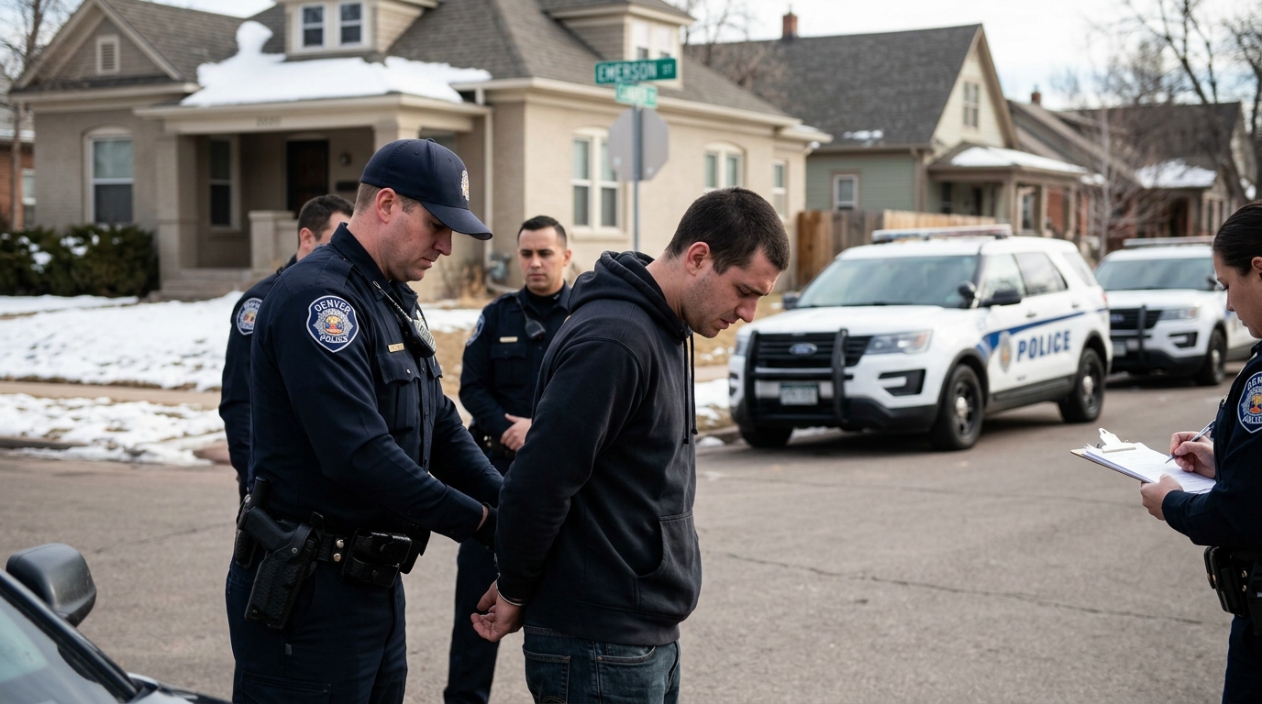
What Happens If You Violate a Protection Order in Colorado?
A Colorado protection order is a court order, and violating its terms can lead to a new criminal case even when no one is physically harmed. We often see these cases arise from contact that a person did not realize was prohibited, an unexpected encounter with the protected person, text messages, social media activity, or allegations that the restrained person went somewhere the order prohibited.
We also see situations in Denver where the protected person initiated the contact, which can create confusion about what the restrained person was legally allowed to do. Colorado law takes protection orders seriously, and law enforcement officers may make an arrest when they have probable cause to believe a violation occurred. When we defend these cases, we examine exactly what the order prohibited, whether our client knew about those restrictions, what conduct allegedly occurred, and whether the prosecution can prove every required element beyond a reasonable doubt.
What Is Considered a Protection Order Violation in Colorado?
The primary criminal statute is Colorado Revised Statutes § 18-6-803.5. Under that law, a person can commit the crime of violating a protection order after being personally served with the order or otherwise obtaining actual knowledge of its contents and then engaging in conduct prohibited by the order.
Depending on the specific terms, prohibited conduct may include contacting, harassing, threatening, intimidating, injuring, molesting, or touching the protected person. An order may also prohibit entering certain premises, remaining at a particular location, or coming within a specified distance of the protected person, protected property, or an animal identified in the order. Some orders can prohibit possession or consumption of alcohol or controlled substances, and certain orders contain restrictions involving firearms and ammunition. C.R.S. § 18-6-803.5 also covers certain conduct involving hiring another person to locate the protected party.
We therefore start by reading the actual order. A protection-order case cannot be properly evaluated simply by asking whether two people had contact. We need to determine precisely what the judge ordered and whether the alleged conduct actually violated those terms.
Do We Have to Know About the Protection Order?
Knowledge is an important part of these cases. Under C.R.S. § 18-6-803.5(1), the prosecution must establish that the restrained person was personally served with the protection order or otherwise acquired actual knowledge of its contents from the court or law enforcement personnel.
That issue can become significant when there is a dispute about service, changes to an existing order, or what restrictions were communicated to the restrained person.
We may review court records, service documents, hearing transcripts, signed acknowledgments, body-camera footage, and other evidence showing what our client knew. If an order was later modified, we also examine whether our client had legally sufficient notice of the modified terms.
Is Violating a Protection Order a Misdemeanor in Colorado?
In many situations, yes. Under C.R.S. § 18-6-803.5(2)(a), violation of a protection order is generally a Class 2 misdemeanor. However, the offense becomes a Class 1 misdemeanor under several circumstances, including when the restrained person has a qualifying prior protection-order violation, when the order was issued under Colorado’s mandatory criminal protection-order statute, when the basis for the order included stalking allegations, or when the parties were in an intimate relationship.
For offenses committed under Colorado’s current misdemeanor sentencing structure, a Class 1 misdemeanor can carry up to 364 days in jail and a fine of up to $1,000, while a Class 2 misdemeanor can carry up to 120 days in jail and a fine of up to $750, unless another statute provides otherwise. These sentencing classifications come from C.R.S. § 18-1.3-501.
We also consider probation, treatment requirements, court costs, additional restrictions, and the effect a conviction may have on an existing criminal or domestic-relations case.
This is one of the most common sources of confusion. The protected person does not ordinarily have the legal authority to cancel or suspend a court order simply by initiating contact. If the order prohibits our client from communicating with that person, responding to a text message, returning a call, meeting voluntarily, or going to the person’s home may still expose our client to allegations that the order was violated.
We carefully examine who initiated the contact because it may be important evidence, particularly when evaluating intent, credibility, or the circumstances surrounding the encounter. But the safest legal position is to comply with the order as written until the court changes or terminates it. If circumstances have changed, we can seek appropriate relief from the court rather than relying on an informal agreement between the parties.
Accidental or unavoidable contact can raise important factual and legal questions. Suppose we represent someone who unexpectedly sees the protected person at a grocery store, restaurant, school event, or other public location. The important questions may include whether our client knew the protected person was there, whether our client remained after becoming aware of the situation, whether communication occurred, and what the protection order specifically required.
Digital contact can create similar disputes. Social media tags, group messages, shared online accounts, third-party communications, and automatically generated notifications can create facts that are less straightforward than a direct phone call or text message. We examine the entire sequence rather than assuming that any appearance of contact establishes a crime.
Can a Protection Order Violation Lead to Other Criminal Charges?
Yes. The alleged conduct underlying a protection-order violation can sometimes support additional criminal charges. For example, allegations involving threats, physical contact, stalking, intimidation, property damage, or attempts to influence a witness may result in charges separate from the protection-order case. Colorado’s 2025 protection-order legislation specifically requires courts to advise criminal defendants that conduct violating a criminal protection order may also constitute offenses such as intimidation of a witness or victim or retaliation against a witness or victim.
Colorado law also provides that, in specified domestic-violence and Victim Rights Act cases, a sentence for violating a protection order must run consecutively rather than concurrently with the sentence imposed for the qualifying underlying crime. That is one reason we look beyond the misdemeanor classification itself. The surrounding allegations may create considerably greater exposure.
How We May Defend a Colorado Protection Order Violation
Every case turns on its facts. We may examine whether a valid protection order existed, whether our client had actual knowledge of the applicable terms, and whether the alleged conduct was actually prohibited.
Evidence may include:
- Text messages, emails, call records, and social media activity.
- Surveillance footage, photographs, GPS data, or witness accounts.
- Court records showing the exact language of the order.
- Evidence concerning service or notice of the order.
- Body-camera footage and police reports describing the alleged violation.
We also investigate whether statements were taken lawfully, whether witnesses are accurately describing what occurred, and whether the evidence supports the prosecution’s version of events.
An accusation does not relieve the prosecution of its burden. We require the state to prove the charged offense beyond a reasonable doubt.
Colorado Protection Order Violation FAQs
What If We Did Not Know the Protection Order Existed?
Knowledge can be a central defense issue. C.R.S. § 18-6-803.5 requires personal service or actual knowledge of the contents of the protection order before the statute’s criminal liability provisions apply.
Can We Be Arrested Even If the Alleged Violation Was Minor?
Yes. Colorado law generally directs law enforcement to arrest or seek a warrant when officers have probable cause to believe a restrained person violated or attempted to violate a protection order and had notice of it. There are limited exceptions that allow officers discretion for certain types of violations.
Will a Protection Order Violation Be Treated as Domestic Violence?
It can be, depending on the relationship between the parties and the factual basis of the alleged offense. Colorado’s protection-order statute specifically provides that a violation is a Class 1 misdemeanor when the parties were in an intimate relationship or when certain other statutory conditions apply. If prosecutors also allege that the factual basis involves domestic violence under Colorado law, additional sentencing and treatment consequences may become relevant.
We examine the alleged relationship, the underlying conduct, prior cases, and the reason the protection order was issued before determining the potential consequences.
Speak With Our Denver Protection Order Violation Lawyer at Price Criminal Defense
A protection-order violation can begin with something as simple as a text message or unexpected encounter and quickly turn into an arrest, a new criminal charge, and complications in an existing case. At Price Criminal Defense, we examine the actual terms of the order, how our client allegedly learned about it, what contact occurred, and whether the prosecution’s evidence proves a criminal violation.
Our lead defense attorney, Daniel Butler, has more than 15 years of experience practicing law in Colorado, including nearly a decade working within the Colorado criminal justice system. Dan has handled thousands of criminal matters and approximately 25 trials, primarily jury trials, involving felony, misdemeanor, and municipal charges. That background gives our defense team direct knowledge of how prosecutors evaluate evidence, prepare cases, assess witnesses, and decide how aggressively to pursue criminal allegations.
If you have been arrested, accused, or charged with violating a protection order in Denver or the surrounding area, we can review the order, the alleged contact, the prosecution’s evidence, and the potential consequences before determining the appropriate defense strategy.
Call Price Criminal Defense at (720) 615-7106 for a free consultation. Calls are answered 24/7, and we represent clients in and throughout the Denver area from our office locations in Denver, Colorado.